Work experience

Mechanical Engineer-in-Training

Jenmar Concepts

After graduating, I joined Jenmar, an engineering consulting firm focusing on hydrogen and alternative energy applications. My work spans custom hardware, thermal-fluid analysis, process controls, instrumentation, and field implementation. I also lead projects directly with clients, carrying them from kickoff through detailed design, commissioning, and closeout.

View details Hide details
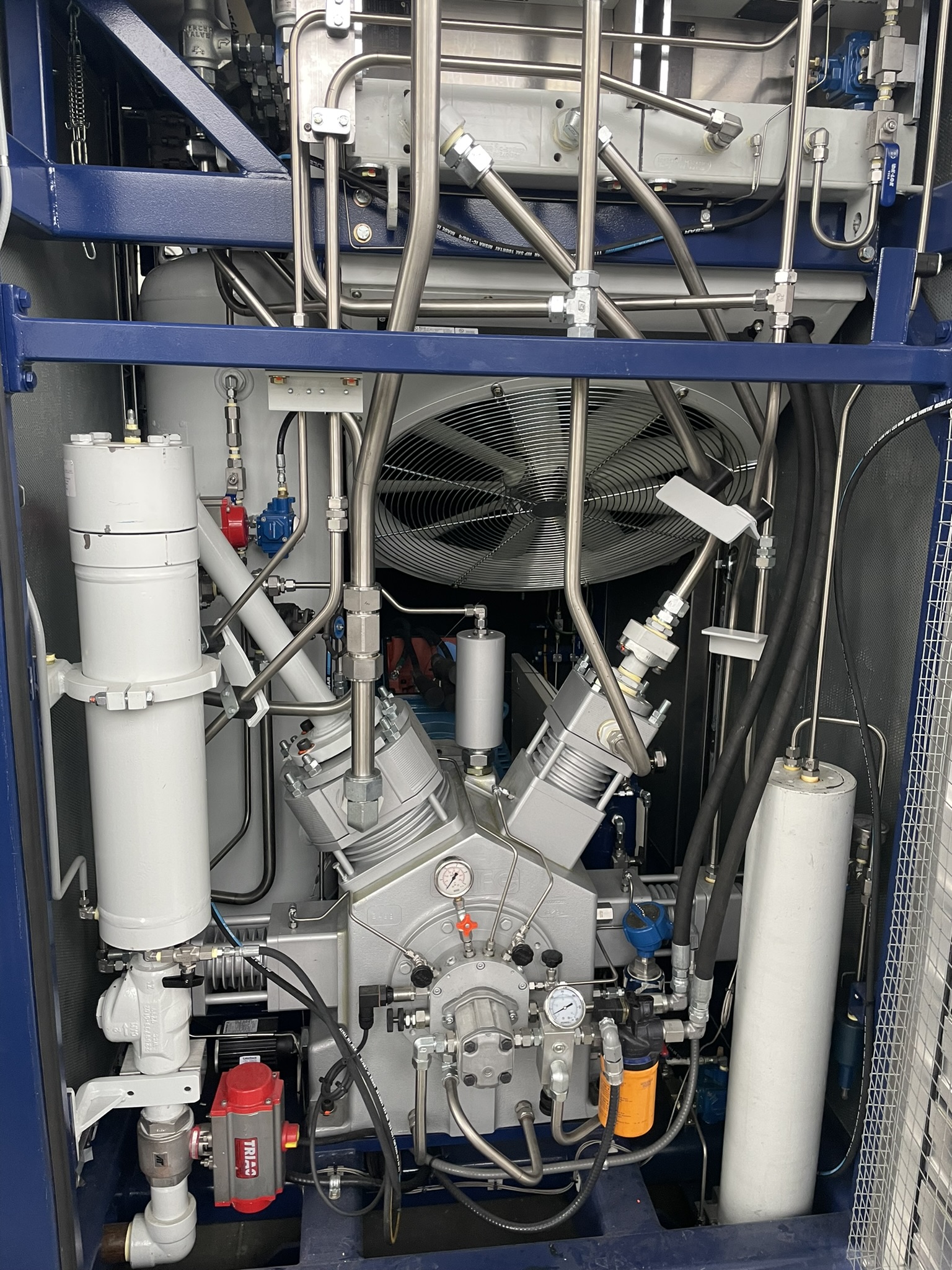
  • Designed hydrogen cascade-fueling systems with temperature-compensated fill control for Underwater Autonomous Vehicles.
  • Engineered hydrogen and oxygen heat exchangers using heat-duty calculations and NIST REFPROP real-fluid properties to meet thermal and flow requirements.
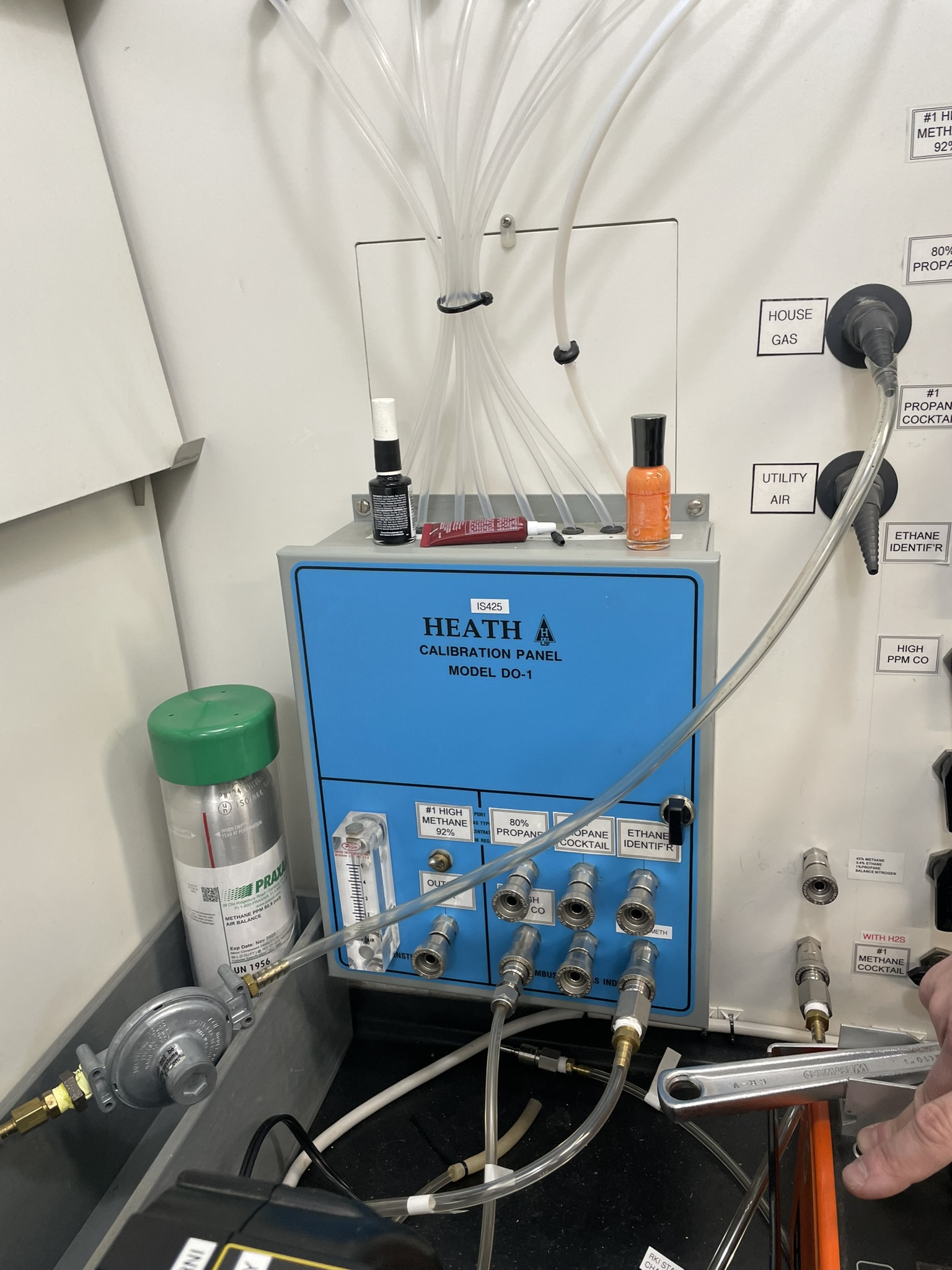
  • Developed a hydrogen-blending installation for existing networks, evaluating blends up to 25% for pressure drop, flame behavior, gas dispersion, ventilation, hazardous-area classification, and low-ppm leak detection.
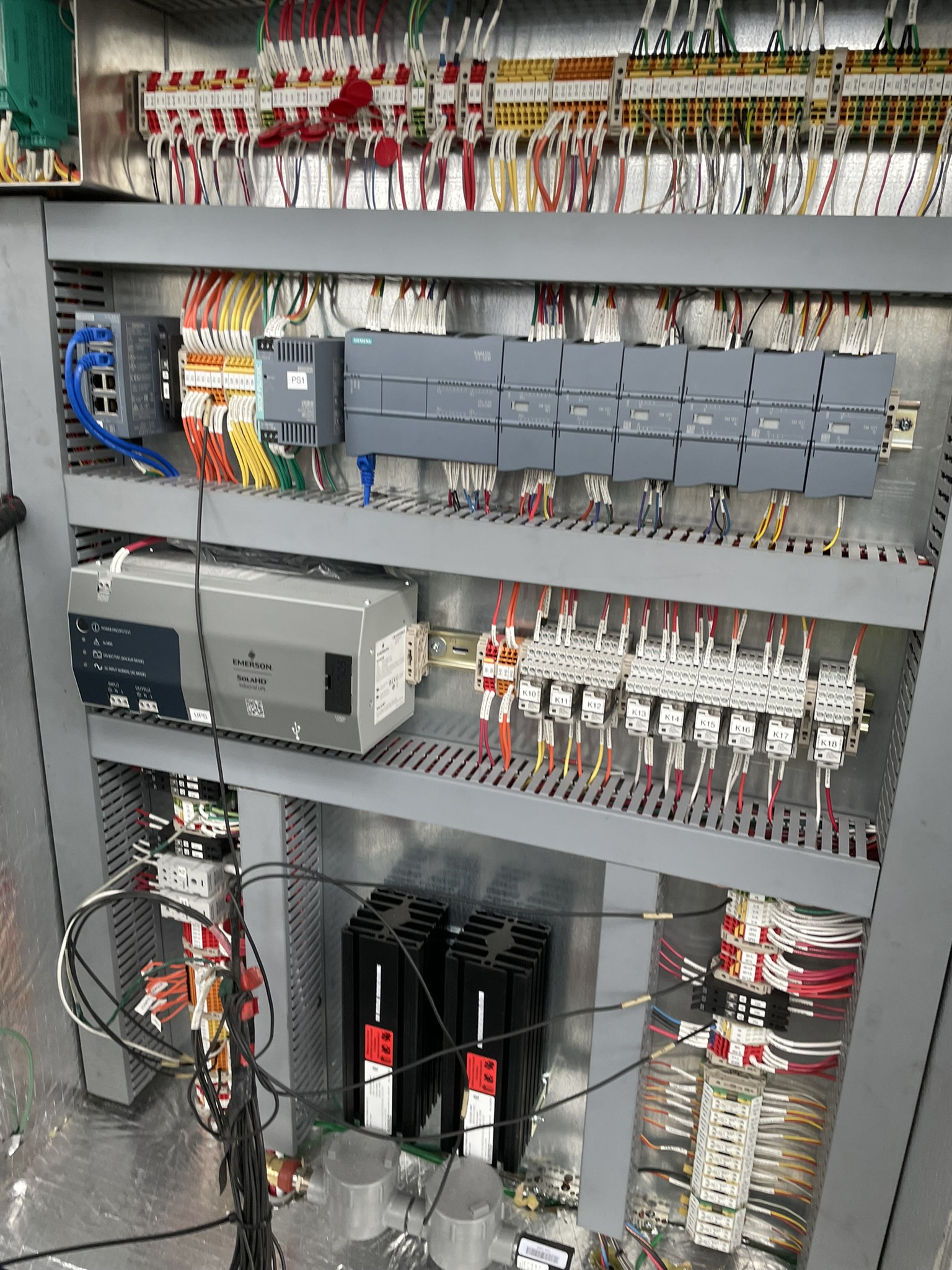
  • Defined control systems, I/O, valve sequences, fail-safe states, and emergency-shutdown logic; selected transmitters, flow meters, and actuated valves for the required process conditions.
  • Sized and selected regulators, relief devices, and other high-pressure components based on required flow capacity, pressure and temperature limits, set points, and failure modes.
  • Led client kickoffs and design reviews, translated operating needs into requirements, and coordinated teams for multi-stage projects from FEED through detailed design, IFC, commissioning, and closeout.

Mechanical Engineer Co-op

Noram Engineering and Constructors

During my four months at Noram, I worked on lithium electrolysis systems for high-purity lithium production. One project involved redesigning a compact test skid, consolidating two pressure vessels into one while preserving the surrounding layout. I also assembled electrolytic cells and created an illustrated assembly and safety guide for future builds.

View details Hide details
  • Consolidated two pressure vessels into a single T-shaped design within the constrained test skid, preserving liquid volume and gas headspace while minimizing fittings and changes to surrounding equipment.
  • Modelled the vessel and piping interfaces in SolidWorks, positioning ports to support fluid mixing, complete drainage, and venting.
  • Verified the vessel's structural integrity through hoop stress, beam bending, and adhesive joint analysis.
  • Reviewed P&IDs against plant requirements, procurement records, and design revisions to verify the final configuration.
  • Authored an illustrated electrolysis-cell assembly and safety manual.

Product Design Co-op

ContainerWest Manufacturing

Over eight months at ContainerWest, I designed custom containerized products in SolidWorks and followed them from 3D models and production drawings through fabrication and delivery. Working directly with welders and other shop trades sharpened my approach to design for manufacturability and rapid iteration.

View details Hide details
  • Led the product design of a portable municipal lifeguard station, integrating electrical, HVAC, insulation, and adaptable plumbing into a compact container platform.
  • Developed configurable fire training structures with live fire props, ladders, access openings, and modular interfaces for realistic emergency response training.
  • Created SolidWorks models and production drawings covering welding, material, insulation, finish, and electrical-layout specifications.
  • Worked directly with shop-floor teams to resolve fabrication constraints and incorporate production feedback into designs.
  • Supported custom builds from estimating and procurement through production scheduling, inspections, and client delivery.

Junior Engineer Co-op

AVL Fuel Cell Canada

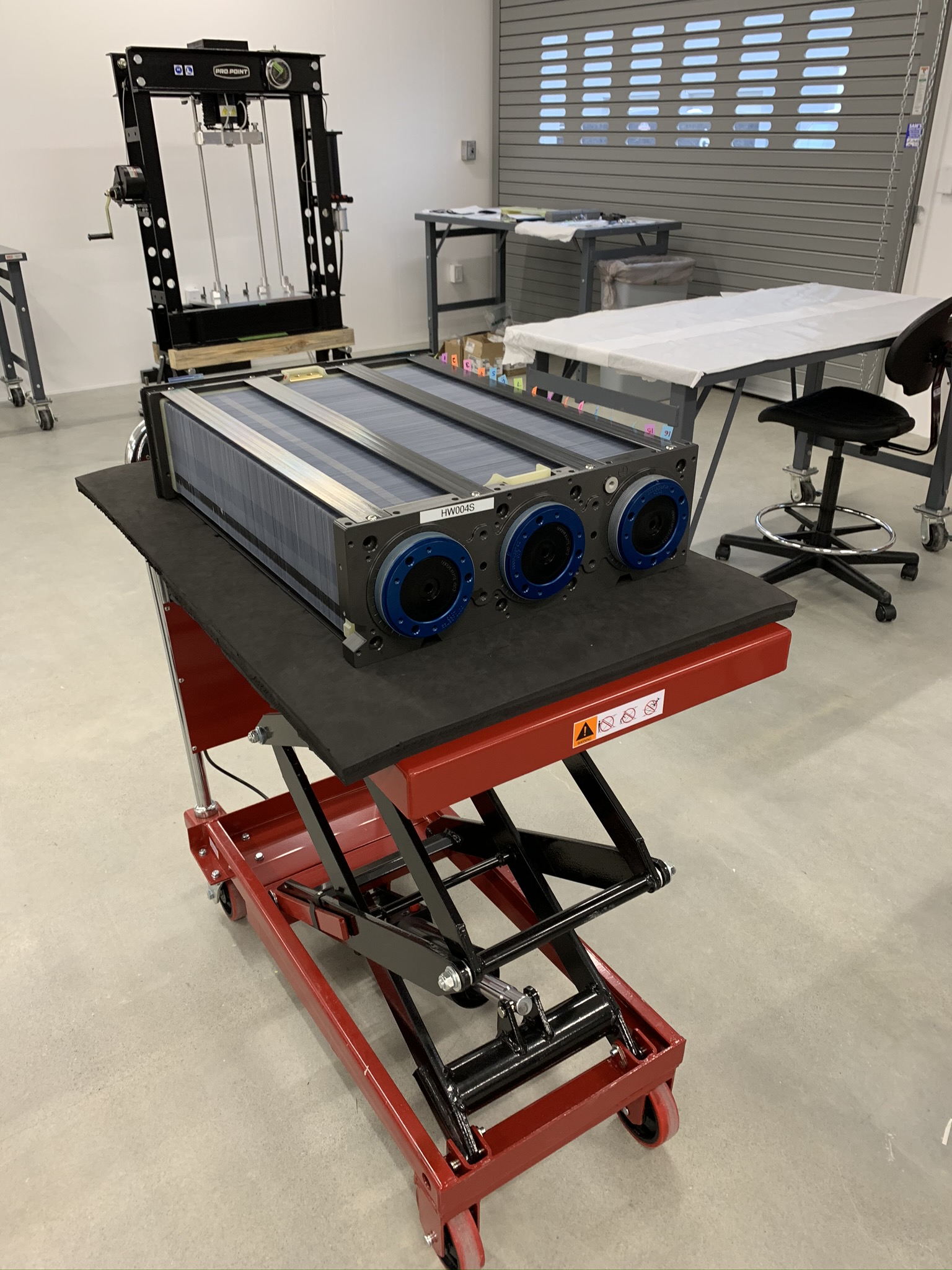
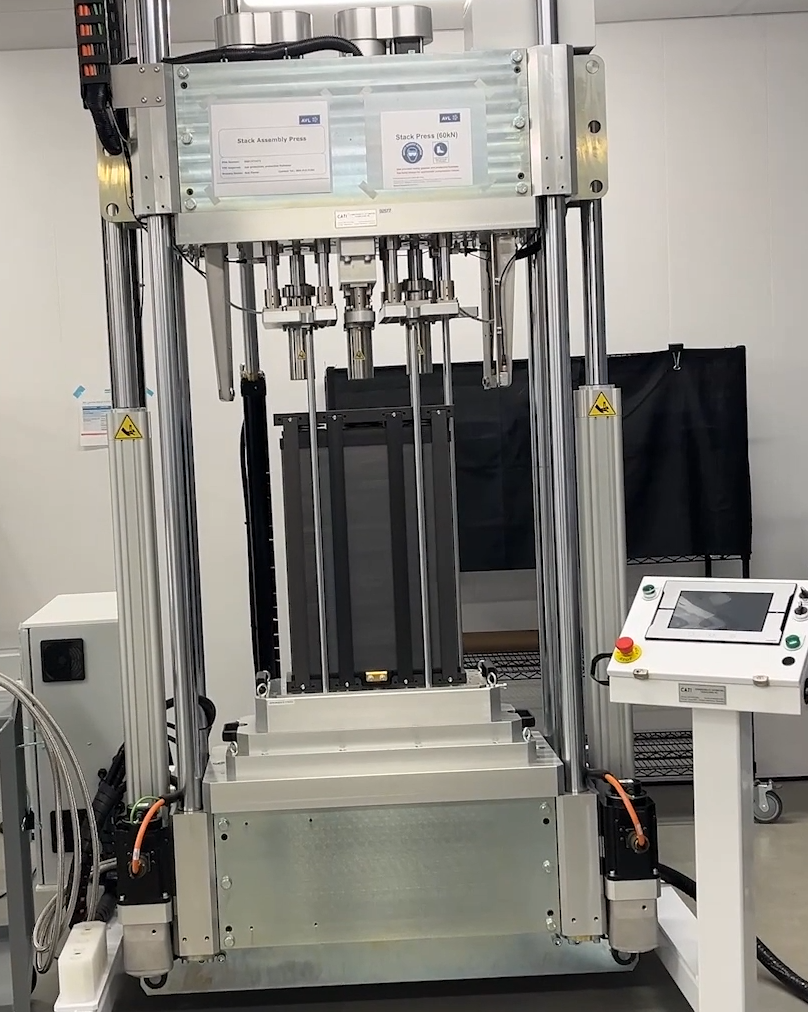
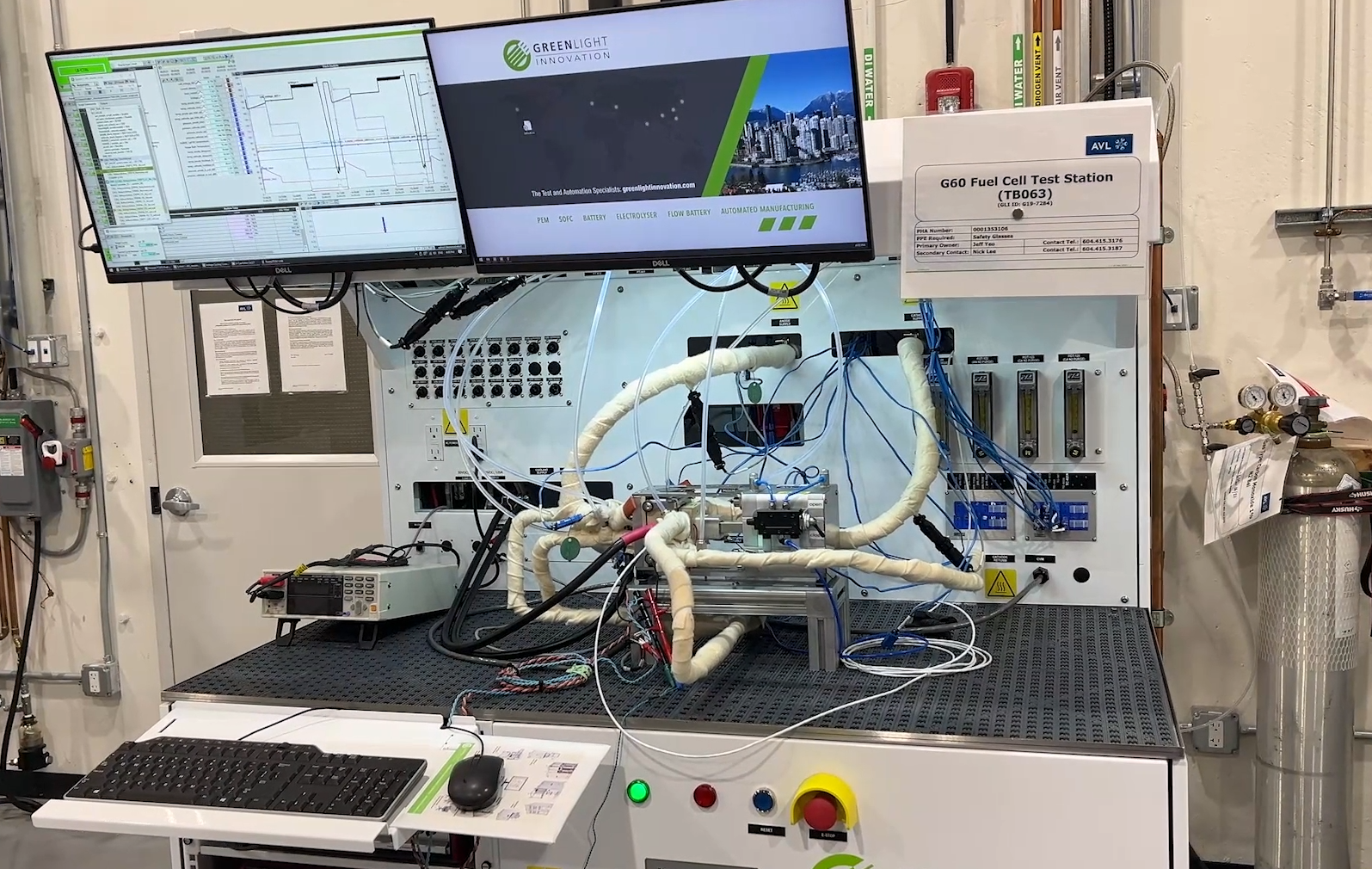
My year at AVL was my first deep dive into hydrogen fuel-cell R&D. I assembled and tested PEM stacks, designed custom test hardware, integrated instrumentation and data acquisition, and investigated component failures. I especially enjoyed moving between product design, hands-on testing, and rapid prototyping.

View details Hide details
  • Assembled and tested PEM fuel-cell stacks, calibrating load cells, assessing load uniformity, and tracing leaks and component failures.
  • Designed instrument mount and tooling hardware such as a stainless steel push rod for GDL thermal-conductivity testing. I did this in PTC Creo, using tolerance and heat-transfer analyses to produce manufacturing drawings for CNC machining.
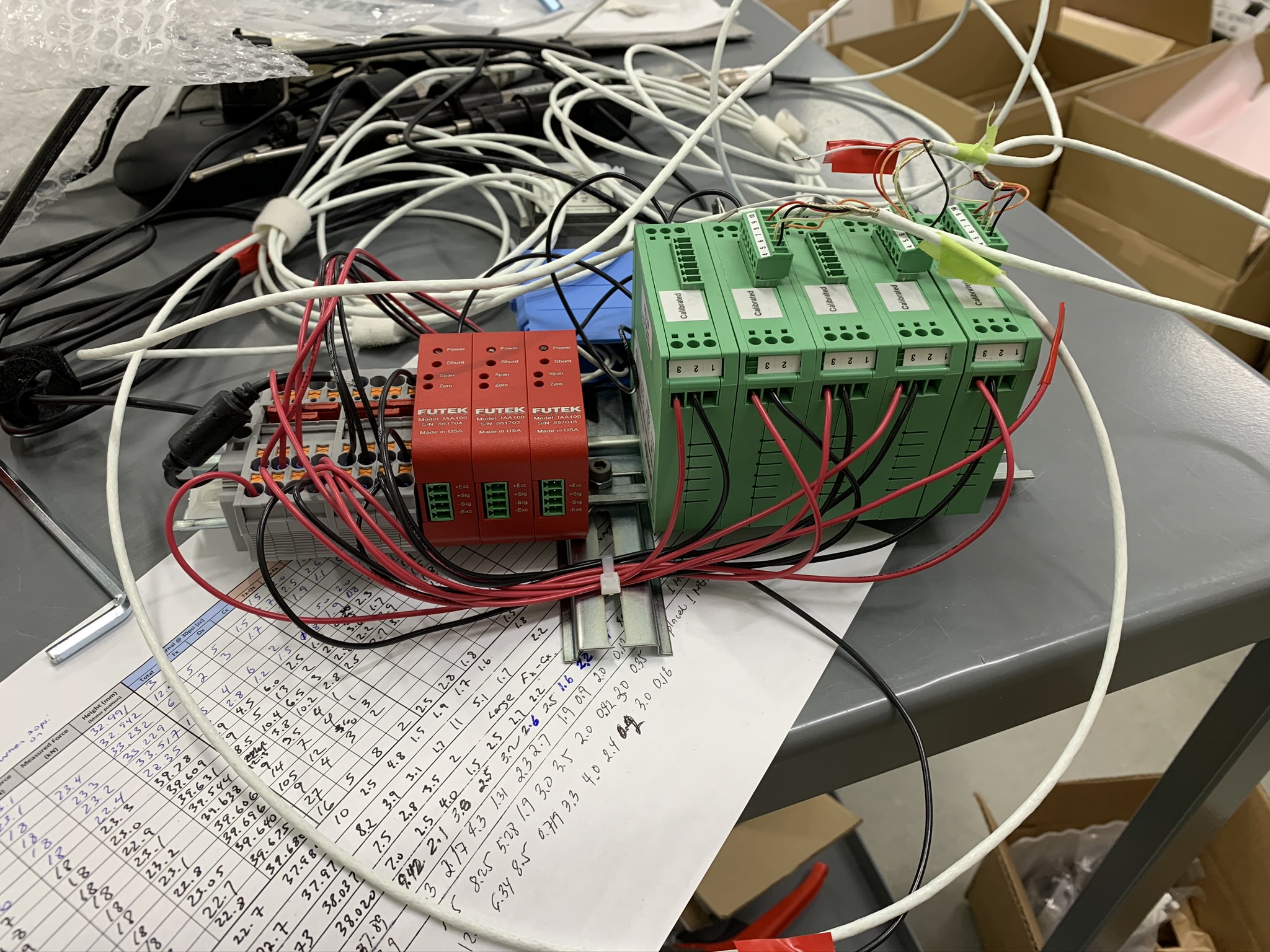
  • Commissioned a fuel-cell mapping board with distributed current, voltage, and temperature sensors. Integrated it with DAQ modules, calibrated its RTDs, and validated the system in an operating PEM stack.
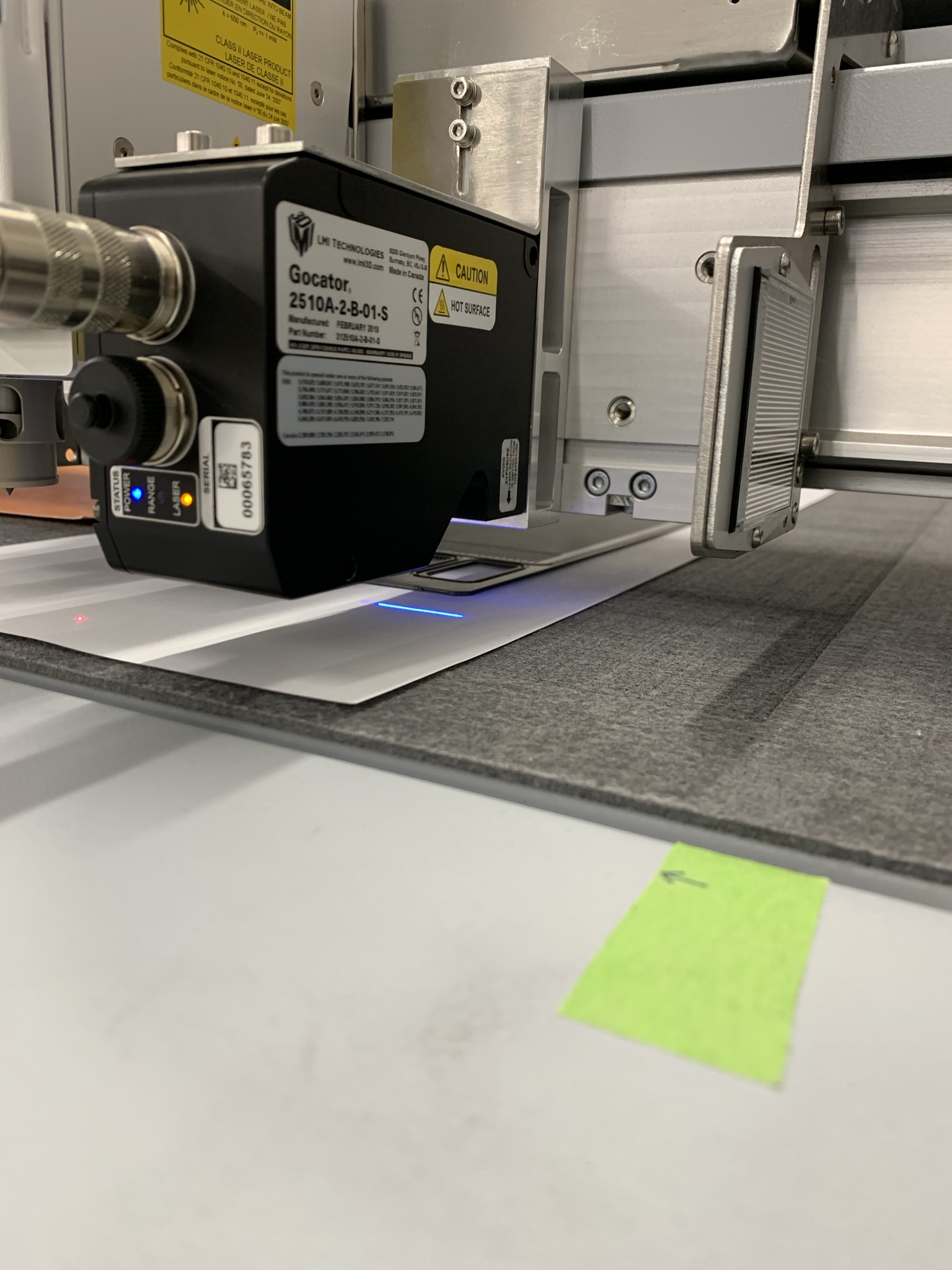
  • Used a laser-line profile scanner to measure bipolar-plate seal geometry for manufacturing validation and failure analysis, then extended its C++ emulator to stitch individual scans into complete 3D surface profiles.
  • Designed a leak-tight chemical-compatibility apparatus for Delrin degradation testing from standard components compatible with existing test stations.
  • Replaced machined Delrin voltage-measurement mounts with SLS-printed nylon hardware, enabling larger, lower-cost batches and faster design iteration.

Education

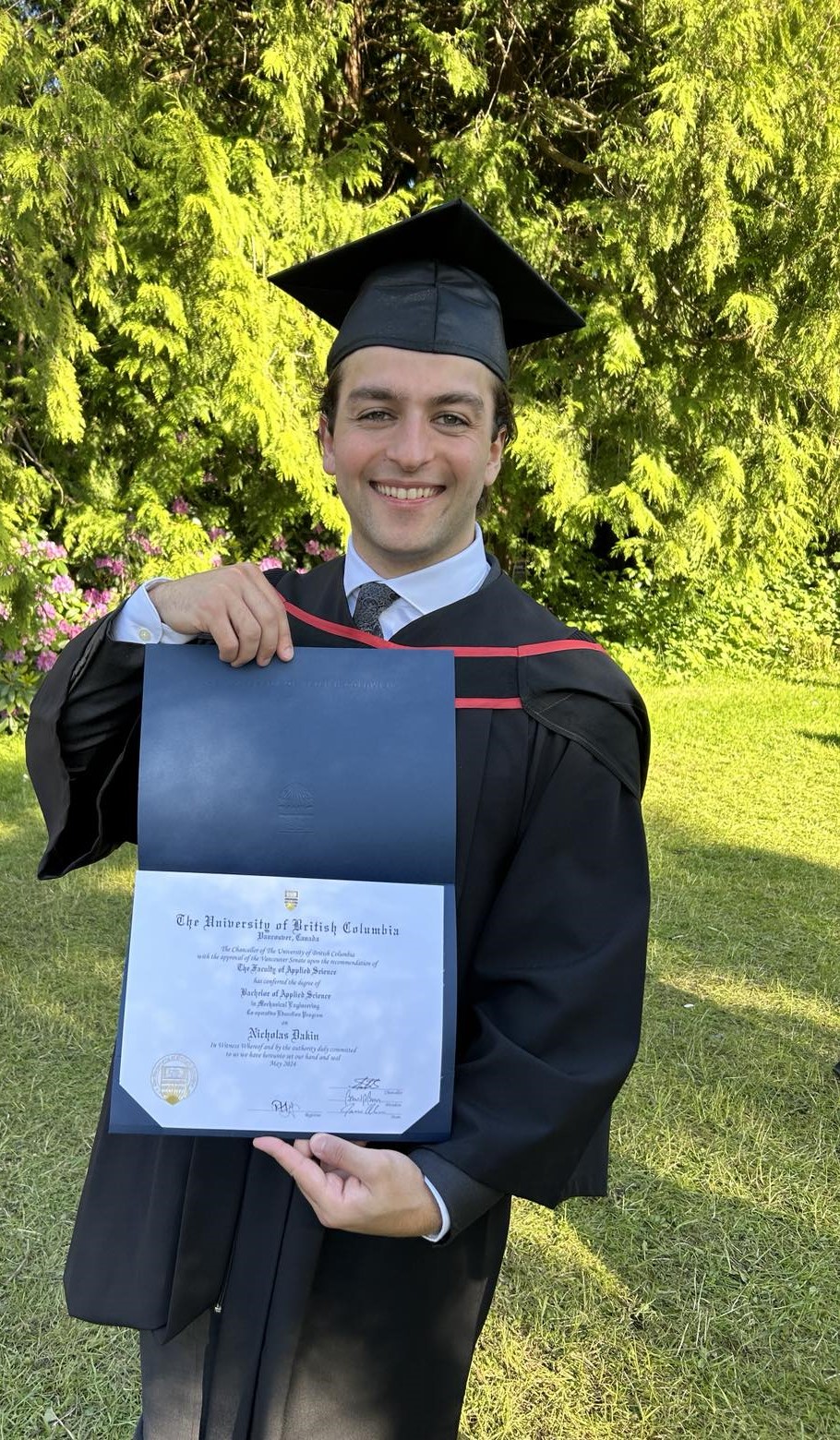
Bachelor of Applied Science - BASc, Mechanical Engineering

University of British Columbia

Activities: UBC Supermileage Design Team.

www.supermileage.ca

Student engineering team

Vehicle Mechanics

UBC Supermileage

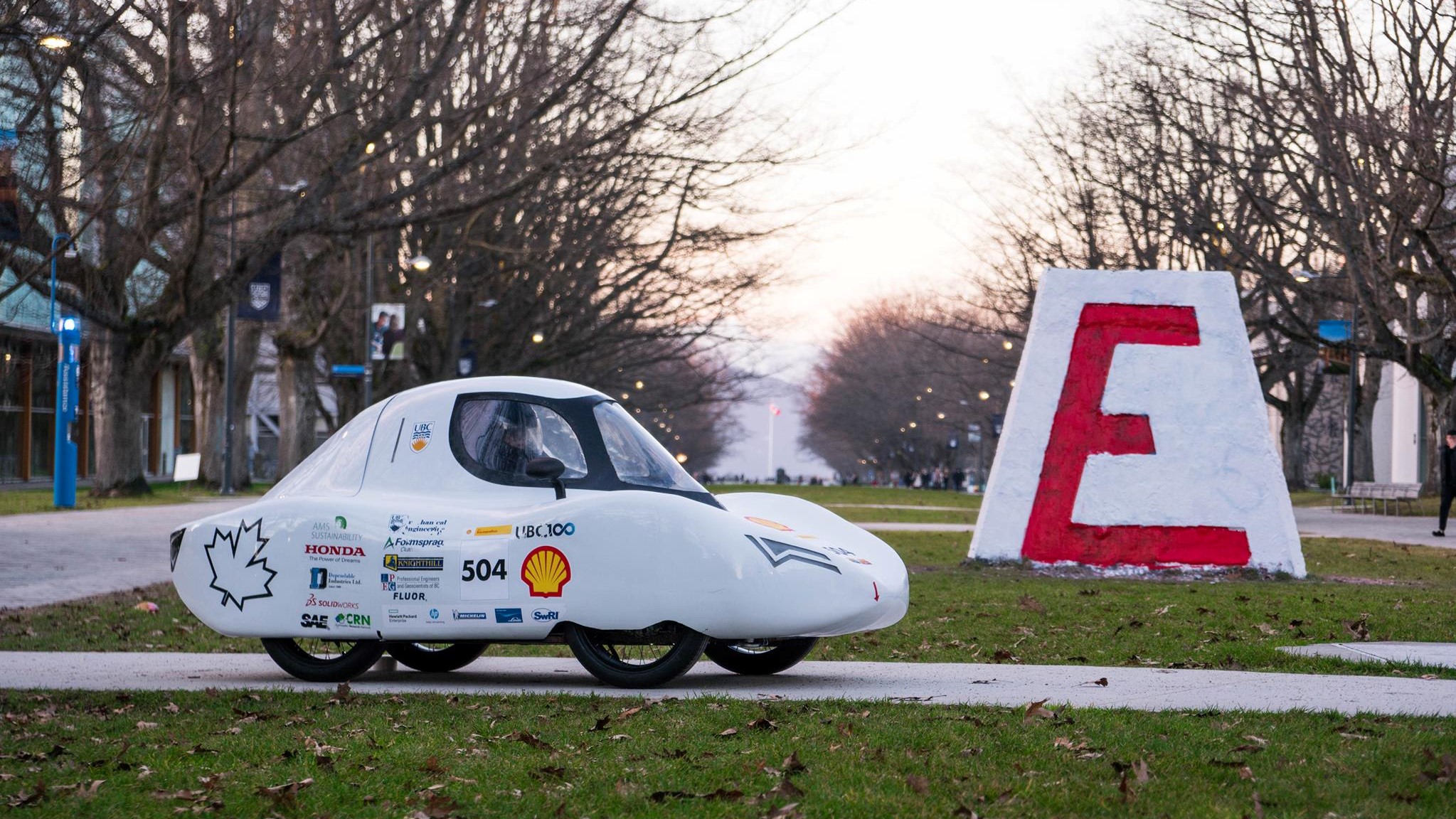
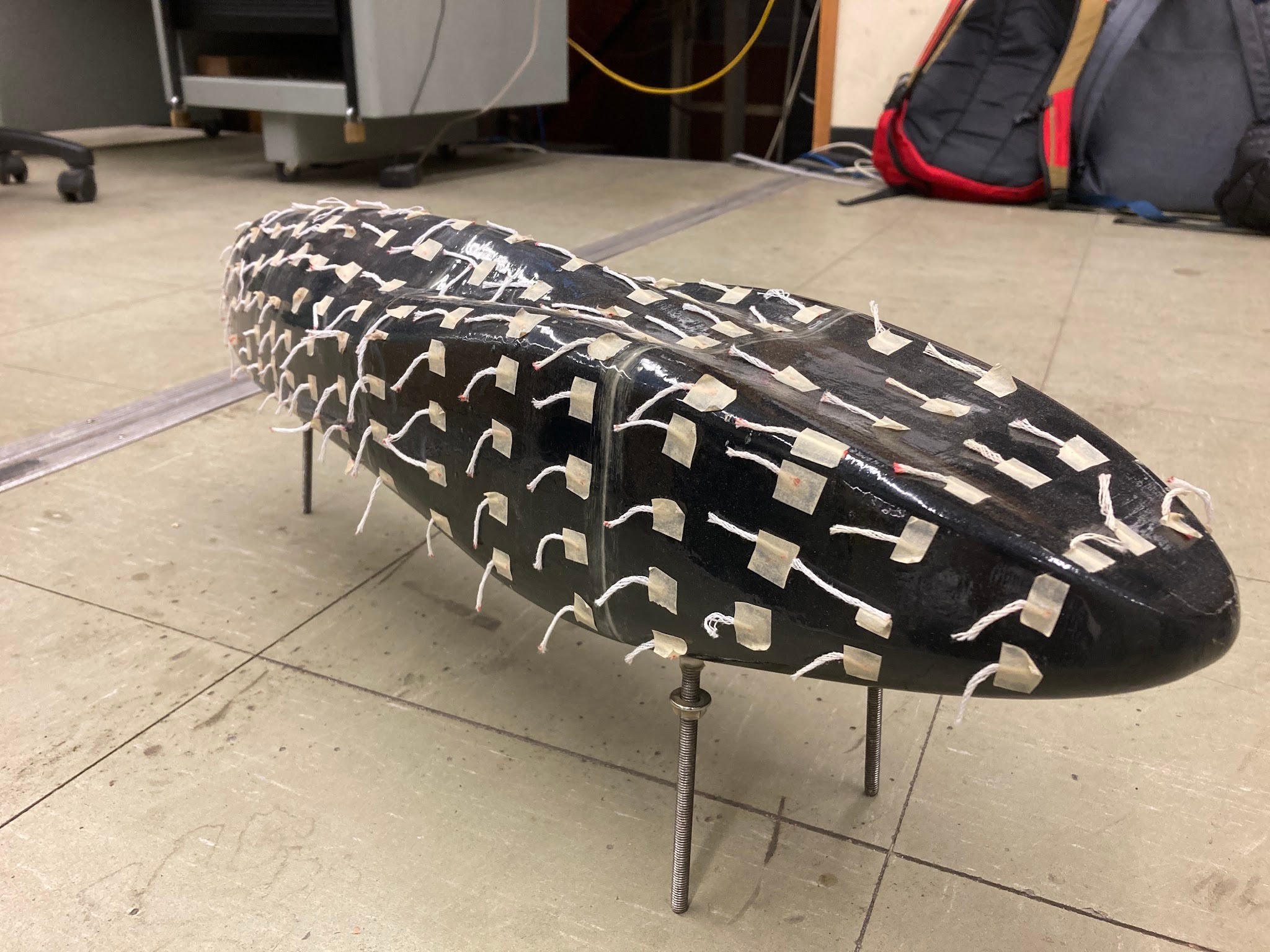
My time with UBC Supermileage focused on vehicle aerodynamics and practical, low-cost ways to evaluate body designs before full-scale fabrication. I built and tested 1:5-scale models and adapted flow-visualization methods for use in the UBC wind tunnel. Our findings helped inform the design of the team’s next-generation vehicles.

View details Hide details
  • Adapted and documented a china-clay surface-flow visualization method for the UBC wind tunnel, revealing flow direction, separation, and high-drag regions visible on scale models.
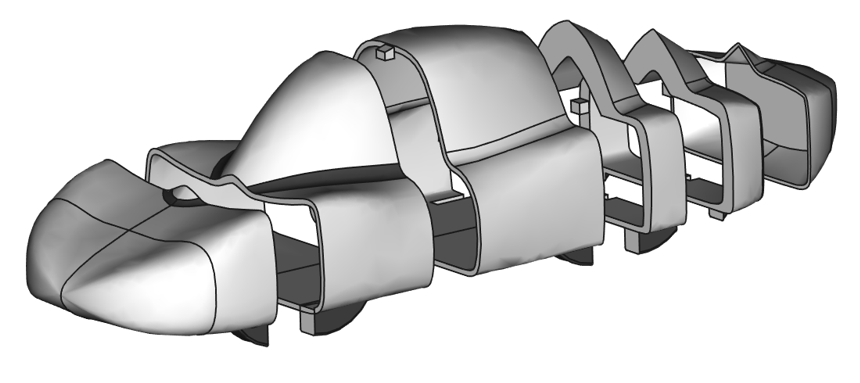
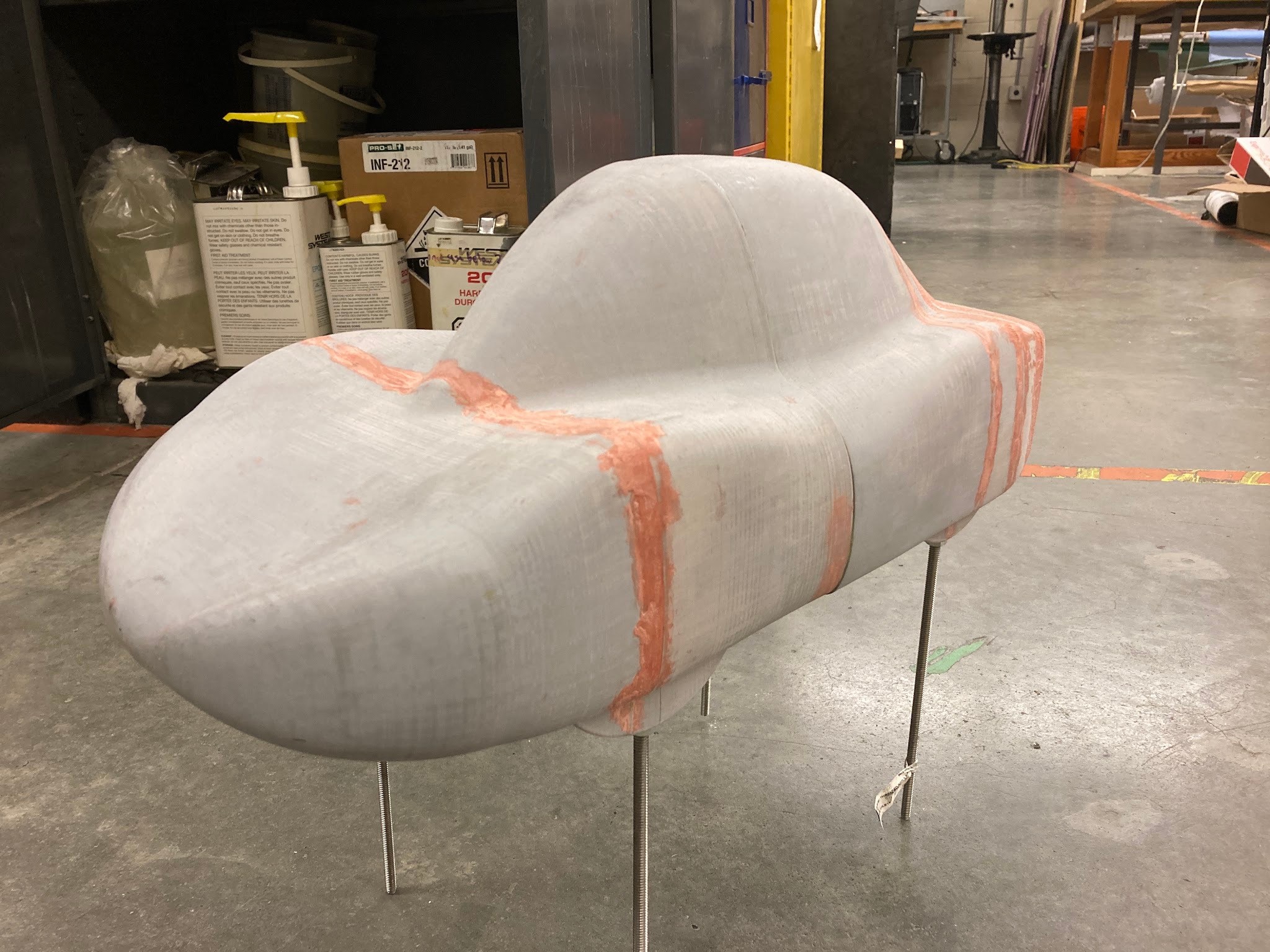
  • Designed, 3D-printed, and assembled 1:5-scale vehicle models for repeatable wind-tunnel testing, managing part fit-up, alignment, and surface continuity.
  • Evaluated body designs through repeatable wind-tunnel observations, helping the team focus fabrication time and resources toward the most promising concepts.